



Essential Insights into Steel Structure Design for Modern Construction
Release time:
2026-04-19
Steel structure design plays a vital role in modern architecture and construction, offering several benefits, including strength, flexibility, and sustainability. As an engineer or architect, understanding the intricacies of this design approach can significantly impact the overall success of a project. One of the primary advantages of steel structures is their high strength-to-weight ratio. This
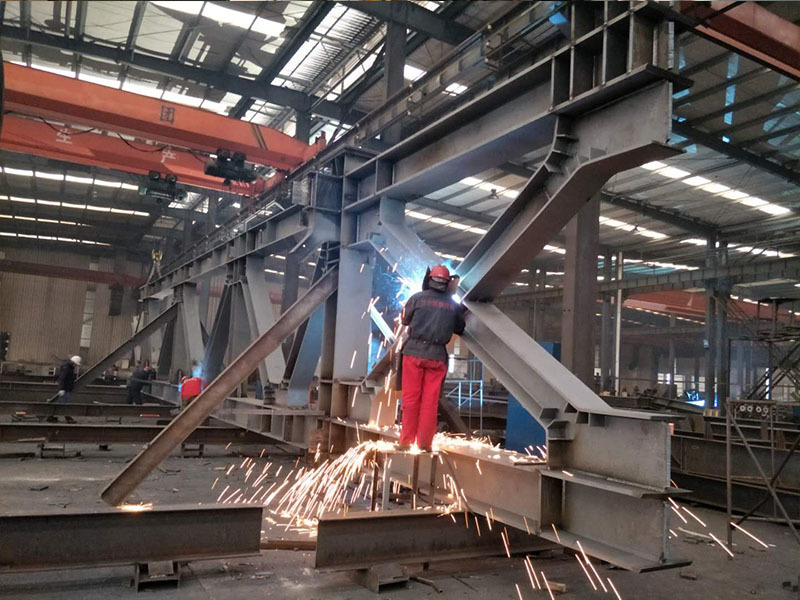
One of the primary advantages of steel structures is their high strength-to-weight ratio. This characteristic allows for longer spans and fewer supporting columns, resulting in open spaces that are aesthetically pleasing and functional. Moreover, steel’s flexibility under load makes it an excellent choice for buildings in seismic zones, where the ability to endure dynamic forces is crucial.
When embarking on a steel structure design project, it is essential to consider several factors. First, an accurate load analysis is fundamental. This analysis includes dead loads, live loads, and environmental loads such as wind and seismic activity. By understanding the forces that will act on the structure, engineers can design components that are appropriately sized and able to withstand these loads without excessive deflection or failure.
Another critical aspect is the selection of materials. Steel comes in various grades and types, each with specific properties suited for different applications. For instance, structural steel commonly used in building construction is designed for high strength and ductility, while stainless steel may be preferred in environments prone to corrosion. By choosing the right material, designers can enhance the longevity and performance of their structures.
Incorporating advanced design software and modeling tools can also streamline the steel structure design process. These tools allow for precise simulations and stress analyses, helping to identify potential issues early in the design phase. By utilizing Building Information Modeling (BIM), architects and engineers can collaborate effectively, ensuring that all aspects of the project are aligned and that any design conflicts are resolved before construction begins.
Sustainability is increasingly becoming a priority in steel structure design. Steel is 100% recyclable, making it an environmentally friendly option for construction. By choosing steel and implementing efficient design practices, professionals can reduce the carbon footprint of their buildings while also adhering to green building standards.
In conclusion, steel structure design is a multifaceted discipline that requires careful consideration of materials, load analysis, and modern design technologies. By mastering these elements, construction professionals can create resilient, efficient, and sustainable buildings that meet the demands of today’s architectural landscape. Embracing the benefits of steel in structure design not only enhances the functionality of buildings but also contributes to a greener future.
Tag:
Related News


Can't find the service you're looking for? Contact us!
To inquire about our products, please leave your email to us and we will contact you within 24 hours.
Contact Us
Telephone:+86 15522531711
Landline:086 22-86220000
E-mail:18133150209@139.com
Address: Three Communities of Agricultural Corporation of Lutai Economic Development Zone, Tangshan City,China