



Innovative Techniques in Constructing Steel Building Structures
Release time:
2026-04-12
Innovative Techniques in Constructing Steel Building Structures Table of Contents 1. Introduction to Steel Building Structures 2. Benefits of Steel as a Primary Construction Material 3. Advanced Design Techniques in Steel Construction 4. Modular Construction: A Game Changer for Steel Structures 5. The Role of 3D Printing in Steel Construction 6. Sustainable Practices in Steel Structur
Innovative Techniques in Constructing Steel Building Structures
Table of Contents
- 1. Introduction to Steel Building Structures
- 2. Benefits of Steel as a Primary Construction Material
- 3. Advanced Design Techniques in Steel Construction
- 4. Modular Construction: A Game Changer for Steel Structures
- 5. The Role of 3D Printing in Steel Construction
- 6. Sustainable Practices in Steel Structures
- 7. Smart Technologies Enhancing Steel Construction
- 8. Case Studies: Successful Applications of Innovative Techniques
- 9. Frequently Asked Questions
- 10. Conclusion
1. Introduction to Steel Building Structures
Steel building structures have gained immense popularity due to their exceptional strength, durability, and versatility. In recent years, innovative techniques have emerged, pushing the boundaries of traditional construction methods. These advancements not only improve the structural integrity of buildings but also enhance the efficiency of the construction process. This article aims to provide an in-depth understanding of the innovative techniques utilized in constructing steel building structures, showcasing how these methods are revolutionizing the industry.
2. Benefits of Steel as a Primary Construction Material
The choice of steel as a primary construction material comes with a myriad of advantages:
2.1 Strength and Durability
Steel is renowned for its high strength-to-weight ratio. This characteristic allows architects to create larger spans without the need for excessive support, thereby increasing the usable space in buildings.
2.2 Design Flexibility
Steel's malleability permits designers to create intricate architectural forms. This flexibility allows for innovative building designs that would be challenging or impossible to achieve with other materials.
2.3 Cost-Effectiveness
Although the initial cost of steel can be higher than other materials, its longevity and lower maintenance requirements often make it a cost-effective option in the long run.
2.4 Environmental Sustainability
Steel is recyclable, making it an environmentally friendly construction material. The use of recycled steel reduces the demand for new steel production, which is an energy-intensive process.
3. Advanced Design Techniques in Steel Construction
The integration of advanced design techniques has transformed how steel structures are conceived and constructed.
3.1 Computer-Aided Design (CAD)
CAD technology allows architects and engineers to create precise and detailed blueprints, facilitating better planning and visualization of steel structures. The accuracy of CAD models reduces errors during construction, leading to time and cost savings.
3.2 Building Information Modeling (BIM)
BIM technology enhances collaboration among stakeholders by providing a shared 3D model that encompasses all aspects of the project. This method improves communication, ensures consistency, and aids in conflict resolution, ultimately leading to a more efficient construction process.
3.3 Parametric Design
Parametric design enables architects to manipulate design variables, resulting in unique and responsive structures. This approach allows for a more dynamic interaction between aesthetics and functional requirements.
4. Modular Construction: A Game Changer for Steel Structures
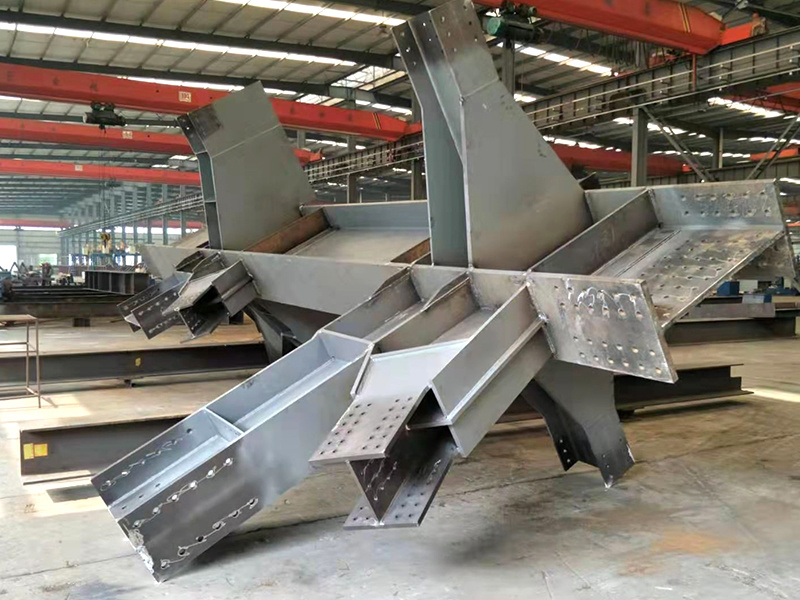
Modular construction involves prefabricating sections of a building in a factory setting and then assembling them on-site. This technique has revolutionized steel construction in several ways:
4.1 Speed of Construction
Modular components can be produced simultaneously while site preparation occurs, significantly reducing the overall construction time.
4.2 Enhanced Quality Control
Factory-controlled conditions ensure higher quality standards, reducing the likelihood of defects often associated with on-site construction.
4.3 Flexibility and Scalability
Modular design allows for easy expansion or reconfiguration of structures, accommodating changing needs without extensive renovations.
5. The Role of 3D Printing in Steel Construction
3D printing technology is making waves in the construction industry, offering innovative solutions for steel structures.
5.1 Customization
3D printing allows for highly customized steel components, enabling unique designs that cater to specific project requirements.
5.2 Reduced Waste
The precision of 3D printing minimizes material waste, aligning with sustainable building practices.
5.3 Faster Prototyping
This technology facilitates rapid prototyping of building components, allowing for quicker iterations and design adjustments.
6. Sustainable Practices in Steel Structures
Sustainability is becoming increasingly crucial in construction, and steel structures can lead the way with eco-friendly practices.
6.1 Use of Recycled Materials
Innovative techniques emphasize the use of recycled steel, reducing environmental impact without compromising quality.
6.2 Energy-Efficient Design
Integrating energy-efficient features, such as reflective roofing and high-performance insulation, contributes to the sustainability of steel buildings.
6.3 Lifecycle Assessment
Conducting lifecycle assessments helps in understanding the environmental impacts of steel structures, guiding decisions towards more sustainable practices.
7. Smart Technologies Enhancing Steel Construction
The integration of smart technologies in steel construction is paving the way for the future of building design and management.
7.1 IoT in Construction
The Internet of Things (IoT) allows for real-time monitoring of construction processes, enhancing safety and efficiency through data-driven insights.
7.2 Drones and Robotics
Drones facilitate site surveying and monitoring, while robotics streamline tasks such as welding and assembly, improving precision and reducing labor costs.
7.3 Smart Building Systems
Incorporating smart building systems enhances operational efficiency, allowing for better energy management and overall sustainability.
8. Case Studies: Successful Applications of Innovative Techniques
Examining real-world examples of innovative steel construction techniques showcases their effectiveness and potential.
8.1 The Shard, London
As one of the tallest buildings in Europe, The Shard exemplifies the use of advanced steel design and construction techniques, allowing for its distinctive shape and height.
8.2 Bosco Verticale, Milan
This residential complex integrates steel with sustainable practices, utilizing modular construction techniques and innovative design to create a green urban environment.
8.3 Tesla Gigafactory, Nevada
The Tesla Gigafactory demonstrates the efficiency of modular construction in a large-scale project, achieving rapid construction timelines while emphasizing sustainability.
9. Frequently Asked Questions
9.1 What are the main advantages of using steel in construction?
Steel offers strength, durability, design flexibility, cost-effectiveness, and environmental sustainability, making it a preferred choice for modern buildings.
9.2 How does modular construction benefit steel structures?
Modular construction speeds up the building process, enhances quality control, and provides flexibility and scalability for future modifications.
9.3 What role does 3D printing play in steel construction?
3D printing enables customization, reduces waste, and allows for faster prototyping of steel components, enhancing design capabilities.
9.4 How can steel construction be more sustainable?
Utilizing recycled materials, implementing energy-efficient designs, and conducting lifecycle assessments are key strategies for promoting sustainability in steel construction.
9.5 What are smart technologies in construction?
Smart technologies include IoT, drones, and robotics that enhance efficiency and safety in construction processes, providing real-time data and improving project outcomes.
10. Conclusion
Innovative techniques in constructing steel building structures are reshaping the future of the construction industry. By embracing advanced design methods, modular construction, 3D printing, and smart technologies, the industry is moving towards more efficient, sustainable, and aesthetically pleasing buildings. As we continue to explore these innovative approaches, the potential for steel structures remains limitless, paving the way for a new era in construction that prioritizes resilience, sustainability, and design excellence.
Tag:
Related News


Can't find the service you're looking for? Contact us!
To inquire about our products, please leave your email to us and we will contact you within 24 hours.
Contact Us
Telephone:+86 15522531711
Landline:086 22-86220000
E-mail:18133150209@139.com
Address: Three Communities of Agricultural Corporation of Lutai Economic Development Zone, Tangshan City,China