



Building Foundations: Understanding the Essentials of Steel Structure Installation
Release time:
2026-03-15
Building Foundations: Understanding the Essentials of Steel Structure Installation Table of Contents Introduction to Steel Structure Foundations Benefits of Steel Structures in Construction Types of Steel Structures Used in Building Foundations Key Components of Steel Structures Planning and Designing Steel Foundations Installation Process for Steel Structures Safe
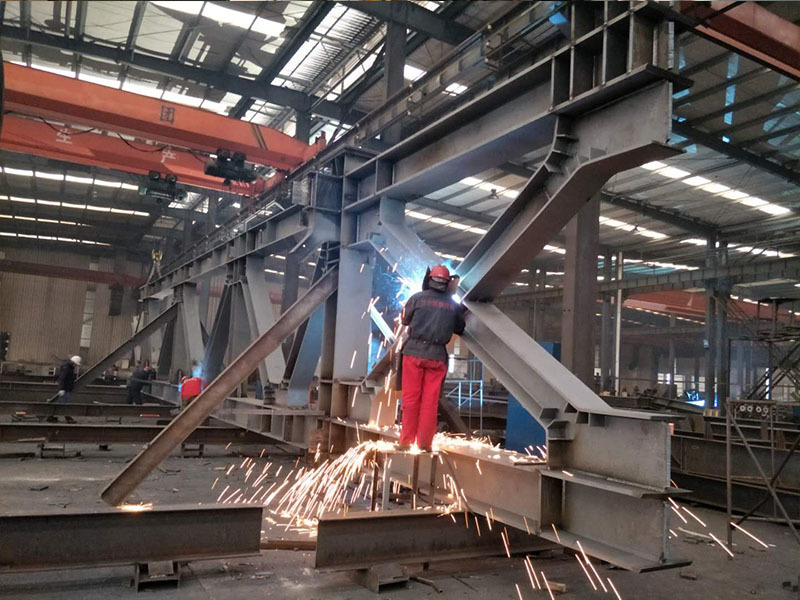
Building Foundations: Understanding the Essentials of Steel Structure Installation
Table of Contents
- Introduction to Steel Structure Foundations
- Benefits of Steel Structures in Construction
- Types of Steel Structures Used in Building Foundations
- Key Components of Steel Structures
- Planning and Designing Steel Foundations
- Installation Process for Steel Structures
- Safety Considerations in Steel Structure Installation
- Maintenance of Steel Structures
- Frequently Asked Questions about Steel Structure Installation
- Conclusion
Introduction to Steel Structure Foundations
Building a strong foundation is critical to the success of any construction project, particularly when utilizing steel structures. Steel has become a popular choice in modern construction due to its strength, durability, and flexibility. Understanding how to properly install a steel structure foundation is essential for ensuring the longevity and stability of the building. In this article, we will explore the fundamentals of steel structure installation, providing detailed insights and practical tips to guide you through the process.
Benefits of Steel Structures in Construction
Steel structures offer numerous advantages, making them a preferred choice in construction projects. Some of the most significant benefits include:
1. Strength and Durability
Steel is known for its remarkable strength-to-weight ratio, allowing structures to withstand heavy loads while being lightweight. This durability extends the lifespan of constructions, reducing the need for frequent repairs and replacements.
2. Versatility in Design
Steel can be molded into various shapes and sizes, enabling architects and engineers to create innovative and complex designs. This versatility is particularly beneficial in projects requiring unique architectural features.
3. Fast Construction
Steel components can be prefabricated off-site and assembled on-site quickly, significantly reducing construction time. This efficiency can lead to cost savings and quicker project completion.
4. Eco-Friendly Option
Steel is a recyclable material, making it an environmentally friendly choice for construction. Using recycled steel reduces the demand for new materials and minimizes waste.
5. Resistance to Natural Elements
Steel structures are highly resistant to various weather elements, including fire, pests, and corrosion, especially when proper protective coatings are applied.
Types of Steel Structures Used in Building Foundations
Understanding the different types of steel structures available is crucial for selecting the right solution for your project. Here are some common types:
1. Steel Frames
Steel frames are the most common structural form used in buildings. They consist of vertical columns and horizontal beams, providing a strong and stable framework.
2. Steel Trusses
Steel trusses are triangular structures used to support roofs and bridges. They distribute loads more evenly and are often used in large-span constructions.
3. Steel Plates and Sheets
Steel plates and sheets provide additional support and are often used in foundation slabs. These materials offer a robust base for structures, ensuring stability.
4. Steel Reinforcement
Reinforced steel bars (rebar) are used in concrete foundations to enhance tensile strength. This combination of steel and concrete provides a solid foundation for buildings.
Key Components of Steel Structures
To ensure a successful steel structure installation, it is vital to understand the key components involved:
1. Columns
Columns provide vertical support and transfer loads from the roof and floors to the foundation. They can be made of solid steel or hollow sections.
2. Beams
Beams are horizontal members that support the weight of the structure. They connect to columns and often carry loads from floors and roofs.
3. Bracing
Bracing is used to reinforce the structure against lateral forces, such as wind or seismic activity. This component is essential for maintaining stability.
4. Connections
Steel connections, whether bolted or welded, play a crucial role in ensuring the integrity of the structure. Properly designed connections are essential for load transfer and safety.
Planning and Designing Steel Foundations
Effective planning and design are vital to the success of steel structure installation. Here are essential steps to consider:
1. Soil Testing
Conducting soil tests is crucial to determine the soil’s load-bearing capacity and characteristics. This information will guide the design of the foundation.
2. Foundation Type Selection
Choosing the right foundation type, such as shallow or deep foundations, depends on the project’s requirements and site conditions. This selection affects the overall stability of the steel structure.
3. Structural Design
Work with a structural engineer to create designs that meet building codes and safety standards. Consider factors such as load distribution, material specifications, and environmental conditions.
4. Compliance with Regulations
Ensure that all designs comply with local building regulations and codes. This step is crucial to avoid legal issues and ensure the safety of the structure.
Installation Process for Steel Structures
The installation of steel structures involves several critical steps:
1. Site Preparation
Clear the site and prepare the ground for foundation work. This process may involve excavation, grading, and compacting the soil.
2. Foundation Construction
Construct the foundation according to the approved designs. This may involve pouring concrete or installing footings and slabs.
3. Steel Component Assembly
Once the foundation is cured, begin assembling the steel components. Use cranes and other heavy machinery to lift and position the steel members accurately.
4. Ensuring Proper Alignment
Assemble the steel structure while ensuring proper alignment and leveling. This step is crucial for the stability and safety of the entire building.
5. Securing Connections
Secure all connections using appropriate methods, such as welding or bolting. Inspect each connection to ensure it meets safety standards.
Safety Considerations in Steel Structure Installation
Safety should always be a top priority during steel structure installation. Here are essential safety measures to consider:
1. Personal Protective Equipment (PPE)
Ensure all workers wear the necessary PPE, such as helmets, gloves, and safety boots, to protect against potential hazards.
2. Proper Training
Provide training for all personnel involved in the installation process. This training should cover safety protocols, equipment operation, and emergency procedures.
3. Load Handling Procedures
Establish safe load handling procedures for cranes and other equipment. Follow weight limits and ensure proper rigging techniques are used.
4. Regular Inspections
Conduct regular safety inspections of equipment and the worksite. Identify potential hazards and address them promptly to prevent accidents.
Maintenance of Steel Structures
To ensure the longevity and reliability of steel structures, ongoing maintenance is essential:
1. Regular Inspections
Schedule routine inspections to identify signs of wear, corrosion, or structural damage. Early detection can prevent costly repairs.
2. Protective Coatings
Apply protective coatings to steel surfaces to prevent rust and corrosion. This step is crucial for maintaining the integrity of the structure.
3. Cleaning
Keep the steel surfaces clean to prevent buildup of dirt and debris that can lead to corrosion. Regular cleaning extends the life of the structure.
4. Prompt Repairs
Address any issues or damages immediately to avoid further deterioration. Timely repairs are vital for maintaining safety and structural integrity.
Frequently Asked Questions about Steel Structure Installation
1. What are the advantages of using steel in construction?
Steel offers strength, durability, design flexibility, quick construction, and environmental benefits, making it a popular choice for modern buildings.
2. How long does it take to install a steel structure?
The installation time varies based on the project size and complexity, but steel structures are typically quicker to erect than traditional materials.
3. What types of foundations are suitable for steel structures?
Common foundation types include shallow foundations, such as spread footings, and deep foundations, like piles and drilled shafts, depending on soil conditions.
4. How do I maintain my steel structure?
Regular inspections, protective coatings, and prompt repairs are essential for maintaining the integrity and longevity of steel structures.
5. Are steel structures resistant to natural disasters?
Steel structures are designed to withstand various natural forces, including wind and seismic activity, particularly when properly engineered and constructed.
Conclusion
Understanding the fundamentals of steel structure installation is crucial for anyone involved in construction. By considering the benefits, types, and key components of steel structures, as well as following best practices in planning, installation, and maintenance, we can ensure the success and longevity of our projects. Emphasizing safety and compliance with regulations will further enhance the reliability of steel structures. Armed with this knowledge, builders and contractors can approach their projects with confidence, yielding strong, durable, and innovative constructions that stand the test of time.
Tag:
Related News


Can't find the service you're looking for? Contact us!
To inquire about our products, please leave your email to us and we will contact you within 24 hours.
Contact Us
Telephone:+86 15522531711
Landline:086 22-86220000
E-mail:18133150209@139.com
Address: Three Communities of Agricultural Corporation of Lutai Economic Development Zone, Tangshan City,China