



Unveiling the Essentials of Steel Structure Manufacturing in Modern Construction
Release time:
2026-03-08
Steel structure manufacturing is a cornerstone of the modern construction industry, providing versatile solutions for a wide array of architectural needs. Steel structures are known for their strength, durability, and flexibility, making them ideal for various applications, from residential buildings to expansive commercial complexes. Understanding the intricacies of steel structure manufacturing
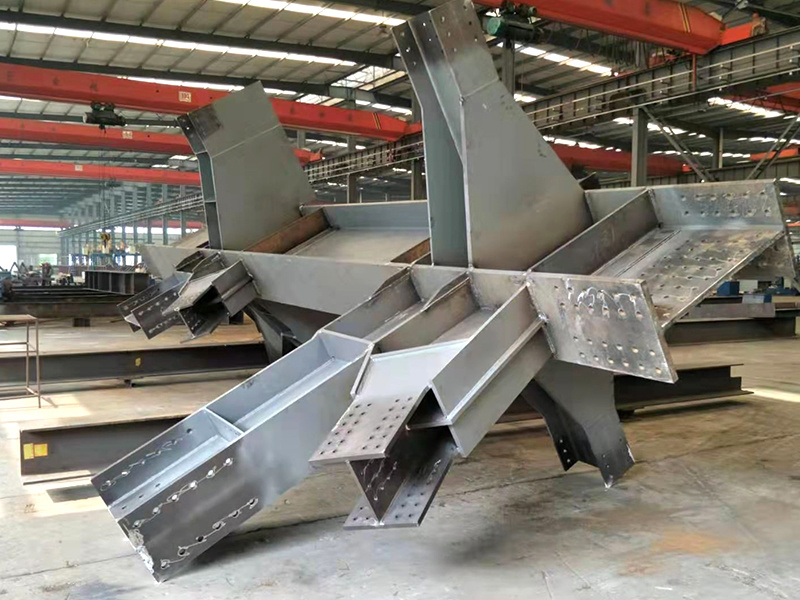
The manufacturing process begins with the selection of high-quality raw materials. Steel is often sourced from recycled content, which not only supports sustainability but also enhances the material's properties. The production involves several steps, including melting, casting, and forming. Advanced techniques such as hot and cold rolling are employed to create steel beams, columns, and plates that meet specific structural requirements.
Once the steel components are produced, they undergo rigorous quality control measures to ensure compliance with industry standards. This includes testing for tensile strength, ductility, and weldability. Effective quality assurance practices minimize defects and ensure that the final product can safely support the intended load.
One of the key advantages of steel structure manufacturing is its inherent strength-to-weight ratio. Steel structures can support heavy loads while remaining lightweight, which is particularly beneficial in seismic-prone regions. Furthermore, the prefabrication of steel components allows for quicker assembly on-site, reducing labor costs and construction timelines.
Another significant aspect is the design flexibility that steel structures offer. Architects can create intricate designs without compromising on structural integrity. This adaptability has led to innovative designs in skyscrapers, bridges, and even industrial facilities. The ability to customize steel elements also enables the incorporation of various architectural styles and finishes.
Sustainability is another vital consideration in steel structure manufacturing. Steel is recyclable, and its longevity reduces the need for frequent replacements. Modern manufacturing processes are increasingly energy-efficient, further lowering the environmental impact. Many projects now aim for green building certifications, and steel structures can contribute significantly to achieving these goals.
Moreover, steel is resistant to many of the common issues faced by traditional materials, such as rot, mold, and pests. This characteristic leads to reduced maintenance costs over the lifespan of the structure. As a result, steel structures are increasingly favored in both new constructions and renovations.
In conclusion, steel structure manufacturing plays an indispensable role in the evolving landscape of architecture. Its unique properties, combined with modern manufacturing techniques, ensure that the structures are not only strong and durable but also adaptable and sustainable. As the industry continues to innovate, the demand for steel structures will likely grow, making it an exciting time for professionals in the field. Understanding these fundamentals will help stakeholders make informed decisions and harness the full potential of steel in construction projects.
Tag:
Previous article
Related News


Can't find the service you're looking for? Contact us!
To inquire about our products, please leave your email to us and we will contact you within 24 hours.
Contact Us
Telephone:+86 15522531711
Landline:086 22-86220000
E-mail:18133150209@139.com
Address: Three Communities of Agricultural Corporation of Lutai Economic Development Zone, Tangshan City,China