



Steel Structure Projects: Designing with Precision and Purpose for Modern Construction
Release time:
2026-03-29
Introduction to Steel Structure Projects Steel has long been recognized as a cornerstone material in modern construction, offering unparalleled strength and versatility. As we delve into the realm of **steel structure projects**, we uncover the essential elements that define successful designs, including engineering principles, material selection, and sustainability considerations. This guide aims
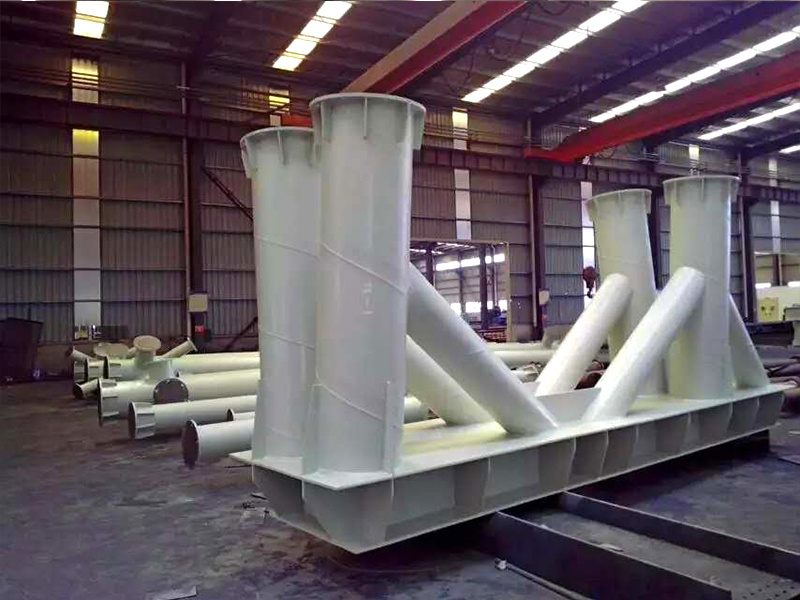
Introduction to Steel Structure Projects
Steel has long been recognized as a cornerstone material in modern construction, offering unparalleled strength and versatility. As we delve into the realm of **steel structure projects**, we uncover the essential elements that define successful designs, including engineering principles, material selection, and sustainability considerations. This guide aims to provide a thorough understanding of the design processes and innovative applications surrounding steel structures.
The Importance of Steel Structures in Modern Construction
Steel structures are increasingly becoming the backbone of contemporary architecture and engineering. Their benefits include:
1. Strength and Durability
Steel's inherent strength allows for the construction of taller buildings and larger spans, providing architects with the freedom to design ambitious structures. Steel structures can withstand extreme weather conditions, making them suitable for various environments.
2. Flexibility in Design
Steel's versatility enables architects to create innovative designs. Its ability to be molded into various shapes and sizes allows for aesthetic freedom while maintaining structural integrity.
3. Sustainability Considerations
As the construction industry moves towards more sustainable practices, steel stands out as a recyclable material. Using **recycled steel** minimizes waste and reduces carbon footprints, making it an eco-friendly choice for modern projects.
Key Components of Steel Structure Design
Designing a steel structure requires a careful approach that encompasses several critical components:
1. Structural Analysis
Understanding the forces acting on a structure, including loads from occupancy, wind, and seismic activities, is paramount. Structural analysis involves using mathematical models to predict how the steel structure will behave under various conditions.
2. Material Selection
Choosing the right steel grade is crucial. Factors to consider include yield strength, ductility, and corrosion resistance. The selected material must align with the project’s specific demands and environmental conditions.
3. Connection Design
Effective connections between steel elements are vital for overall stability and strength. Various connection types, such as welded, bolted, or riveted joints, must be designed to accommodate the anticipated loads and stresses.
Innovative Design Techniques in Steel Structures
Advancements in technology and engineering practices have led to innovative design techniques in steel structure projects.
1. Computer-Aided Design (CAD)
The integration of CAD software allows for precise modeling and visualization of steel structures. This technology aids in detecting potential design flaws early in the process and facilitates collaboration among design teams.
2. Building Information Modeling (BIM)
BIM enhances the design process by enabling a comprehensive digital representation of physical and functional characteristics. It improves coordination and communication among stakeholders, leading to more efficient construction practices.
3. Prefabrication and Modular Construction
Prefabrication involves manufacturing steel components off-site and assembling them on-site, which can significantly reduce construction time and labor costs. This method enhances quality control and minimizes waste.
Best Practices for Successful Steel Structure Projects
Adhering to best practices is essential for the success of any steel structure project.
1. Comprehensive Planning and Design Review
A thorough project plan should encompass all phases, from design to construction and maintenance. Regular design reviews help catch issues early and ensure that the project aligns with its goals.
2. Regulatory Compliance and Standards
Compliance with local building codes and standards is non-negotiable. Understanding the regulations governing steel construction ensures that all aspects of the project meet safety and quality benchmarks.
3. Quality Assurance and Control
Implementing a robust quality assurance program helps maintain high standards throughout the construction process. Regular inspections and testing of materials and components are critical to ensuring durability and safety.
Challenges in Steel Structure Design and Construction
Despite its advantages, several challenges can arise during steel structure projects.
1. Cost Management
Steel prices can fluctuate due to market conditions, impacting project budgets. Effective cost management strategies are essential to keep projects within budget while maintaining high-quality standards.
2. Labor Shortages
The construction industry often faces labor shortages, which can delay projects. Investing in workforce training and development is vital to ensure skilled labor is available for steel structure projects.
3. Weather Conditions
Adverse weather can affect construction schedules and the quality of materials. Building in contingencies for weather-related delays is crucial to project planning.
The Future of Steel Structures in Construction
As we look ahead, the role of steel in construction continues to evolve.
1. Advancements in Steel Technology
Innovations in steel production and treatment techniques are leading to stronger, lighter materials. The development of high-performance steel grades enhances durability and expands application possibilities.
2. Integration of Smart Technologies
The incorporation of smart technologies, such as IoT (Internet of Things) devices in steel structures, allows for real-time monitoring of structural health. This proactive approach can lead to better maintenance and lifespan management.
3. Fostering Sustainable Practices
The industry is increasingly focused on sustainability. The adoption of green building practices, including energy-efficient design and materials, will shape the future of steel structures, making them a more eco-friendly option.
Frequently Asked Questions (FAQs)
1. What are the primary benefits of using steel in construction?
**Steel** offers strength, durability, design flexibility, and sustainability advantages, making it a preferred material in modern construction.
2. How do I choose the right steel grade for my project?
Selecting the appropriate steel grade involves considering factors such as yield strength, ductility, corrosion resistance, and the specific demands of the project.
3. What role does technology play in steel structure design?
Technology, including CAD and BIM, enhances design precision, facilitates collaboration, and improves project efficiency through advanced modeling and simulation.
4. How can I ensure compliance with building codes for steel structures?
Thoroughly understanding local regulations and engaging with experienced professionals can help ensure that your project meets all necessary building codes and safety standards.
5. What are common challenges faced in steel structure projects, and how can they be mitigated?
Common challenges include cost management, labor shortages, and weather conditions. Effective planning, workforce training, and flexible scheduling can help mitigate these issues.
Conclusion
Steel structure projects represent a vital component of modern architecture and construction. By understanding the intricacies of design, engineering, and execution, we can harness the full potential of steel as a construction material. Through strategic planning, innovative techniques, and a commitment to sustainability, we can continue to push the boundaries of what is possible in the realm of steel construction. As we look to the future, the integration of technology and smart practices will further enhance the efficiency, durability, and sustainability of steel structures, making them an enduring choice for generations to come.
Tag:
Related News


Can't find the service you're looking for? Contact us!
To inquire about our products, please leave your email to us and we will contact you within 24 hours.
Contact Us
Telephone:+86 15522531711
Landline:086 22-86220000
E-mail:18133150209@139.com
Address: Three Communities of Agricultural Corporation of Lutai Economic Development Zone, Tangshan City,China