



Steel Structures: Combining Form, Function, and Flexibility for Modern Construction
Release time:
2025-12-21
Steel Structures: Combining Form, Function, and Flexibility Table of Contents 1. Introduction to Steel Structures 2. The Advantages of Using Steel in Construction 2.1 Durability and Strength 2.2 Cost-Effectiveness Over Time 2.3 Sustainability and Environmental Impact 3. Architectural Flexibility: The Versatile Nature of Steel 3.1 Design Freedom and Aesthetic Appeal 3.2 Modular Construction with St
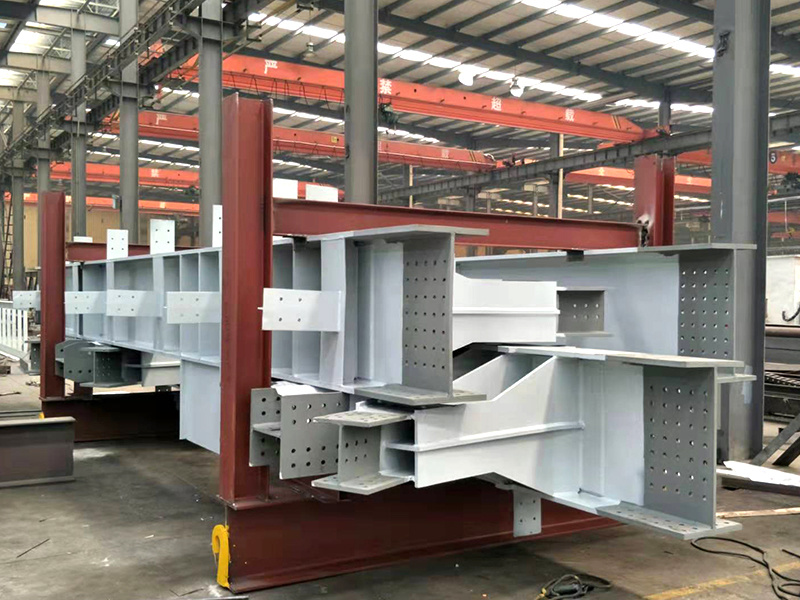
Steel Structures: Combining Form, Function, and Flexibility
Table of Contents
1. Introduction to Steel Structures
2. The Advantages of Using Steel in Construction
2.1 Durability and Strength
2.2 Cost-Effectiveness Over Time
2.3 Sustainability and Environmental Impact
3. Architectural Flexibility: The Versatile Nature of Steel
3.1 Design Freedom and Aesthetic Appeal
3.2 Modular Construction with Steel
4. Steel Structural Components: Essentials for Modern Buildings
4.1 Beams and Columns
4.2 Steel Frames and Trusses
4.3 Steel Decking and Roof Systems
5. Innovations in Steel Structure Design
5.1 Smart Steel Structures
5.2 Prefabrication Techniques
6. Case Studies: Steel Structures in Action
6.1 Iconic Buildings and Their Steel Frameworks
6.2 Industrial Applications of Steel Structures
7. Future Trends in Steel Construction
8. Frequently Asked Questions (FAQs)
9. Conclusion
1. Introduction to Steel Structures
Steel structures have revolutionized the construction industry, offering unparalleled advantages in terms of versatility, durability, and design potential. With the ability to support heavy loads while maintaining lightweight characteristics, steel has become the material of choice for modern buildings, bridges, and various infrastructure projects. In this article, we will explore the intricate relationship between form, function, and flexibility in steel structures, highlighting their significance in contemporary architecture and construction practices.
2. The Advantages of Using Steel in Construction
2.1 Durability and Strength
Steel's inherent strength is one of its most remarkable attributes. It boasts a high tensile strength, making it ideal for withstanding extreme weather conditions and seismic activities. Unlike traditional materials such as wood or concrete, steel does not warp, crack, or swell, ensuring longevity and structural integrity. This durability translates into lower maintenance costs and reduced need for repairs over the lifespan of the structure.
2.2 Cost-Effectiveness Over Time
While the initial investment in steel structures may be higher compared to other materials, the long-term benefits are substantial. The durability of steel results in fewer repairs and replacements, leading to significant cost savings. Additionally, the speed of construction using steel elements can lead to shorter project timelines, reducing labor costs and enabling quicker occupancy.
2.3 Sustainability and Environmental Impact
In an age where sustainability is paramount, steel structures stand out due to their recyclable nature. Steel can be recycled multiple times without losing its strength or quality. This characteristic significantly reduces the carbon footprint associated with construction. Moreover, modern steel production techniques have become more energy-efficient, further enhancing their environmental benefits.
3. Architectural Flexibility: The Versatile Nature of Steel
3.1 Design Freedom and Aesthetic Appeal
Steel allows architects to push the boundaries of creativity. The material can be fabricated into a multitude of shapes and sizes, enabling unique architectural designs that would be difficult to achieve with other materials. From sleek skyscrapers to intricate residential homes, steel structures blend aesthetic innovation with functionality.
3.2 Modular Construction with Steel
The rise of modular construction has transformed how buildings are designed and assembled. Steel's lightweight nature makes it an ideal candidate for prefabrication, allowing sections of a building to be manufactured off-site and assembled on-site. This method not only speeds up construction but also minimizes waste and enhances quality control.
4. Steel Structural Components: Essentials for Modern Buildings
4.1 Beams and Columns
Beams and columns serve as the backbone of steel structures. They provide the necessary support and stability, allowing for open spaces and expansive floor plans. The strategic placement of beams and columns can maximize the use of natural light, contributing to energy efficiency.
4.2 Steel Frames and Trusses
Steel frames are crucial for distributing loads throughout a structure. Trusses, on the other hand, are utilized to span large distances without the need for interior support, creating flexible interior spaces. These components are essential for both residential and commercial buildings, contributing to their overall functionality.
4.3 Steel Decking and Roof Systems
Steel decking provides an efficient platform for constructing floors and roofs, integrating seamlessly with other structural components. Its lightweight nature helps reduce the overall load on the building while ensuring strength and durability. Steel roofing systems are also highly resistant to weather elements, including fire and wind.
5. Innovations in Steel Structure Design
5.1 Smart Steel Structures
With the advent of technology, the integration of smart systems in steel structures has become a reality. These systems allow for real-time monitoring of structural health, energy consumption, and environmental conditions, contributing to enhanced safety and efficiency.
5.2 Prefabrication Techniques
Prefabrication is revolutionizing the construction landscape. Steel elements can be produced in a controlled environment, ensuring higher quality and precision. This process minimizes on-site construction time, reduces labor costs, and enhances overall project efficiency.
6. Case Studies: Steel Structures in Action
6.1 Iconic Buildings and Their Steel Frameworks
Several globally recognized structures exemplify the potential of steel in architecture. The Eiffel Tower, one of the most iconic steel structures, showcases the aesthetic capabilities of steel combined with functional design. Similarly, the Burj Khalifa utilizes steel in its core and floors, demonstrating the material's versatility in high-rise construction.
6.2 Industrial Applications of Steel Structures
Steel structures are not limited to aesthetic applications. They are widely used in industrial settings, including warehouses and manufacturing plants. Their strength and adaptability make them ideal for supporting heavy machinery and accommodating large open spaces.
7. Future Trends in Steel Construction
As the construction industry continues to evolve, several trends are shaping the future of steel structures. Advances in material science are leading to the development of high-performance steel that offers even greater strength and durability. Additionally, the increasing emphasis on sustainable practices is driving innovation in recycling and reusing steel components. Furthermore, as smart technology becomes more prevalent, we can expect to see more intelligent steel structures that enhance building performance and user experience.
8. Frequently Asked Questions (FAQs)
What are the primary benefits of using steel in construction?
The primary benefits include durability, cost-effectiveness, and sustainability. Steel structures can withstand harsh conditions, require less maintenance, and are recyclable, making them environmentally friendly.
How does steel compare to other building materials?
Steel is stronger and more durable than materials like wood or concrete. While it may have a higher initial cost, its longevity and lower maintenance needs often make it more economical over time.
Can steel structures be designed for aesthetic appeal?
Absolutely! Steel's versatility allows for innovative design opportunities, enabling architects to create visually stunning structures that maintain functionality.
What role does prefabrication play in steel construction?
Prefabrication allows for components to be manufactured off-site, enhancing quality control and reducing construction time on-site. This method leads to greater efficiency and minimizes waste.
Are steel structures suitable for residential buildings?
Yes, steel structures can be used effectively in residential buildings, offering open floor plans, modern aesthetics, and durability, making them appealing to homeowners.
9. Conclusion
Steel structures seamlessly blend form, function, and flexibility, making them indispensable in modern construction. Their inherent strength, architectural versatility, and sustainable attributes position steel as a leading choice for contemporary builders and architects. As we move towards a future marked by innovation and sustainability, steel will continue to play a pivotal role in shaping the architectural landscape, ensuring that buildings not only meet functional needs but also inspire communities and elevate our urban environments.
Tag:
Related News


Can't find the service you're looking for? Contact us!
To inquire about our products, please leave your email to us and we will contact you within 24 hours.
Contact Us
Telephone:+86 15522531711
Landline:086 22-86220000
E-mail:18133150209@139.com
Address: Three Communities of Agricultural Corporation of Lutai Economic Development Zone, Tangshan City,China