



Steel Structure Projects: Redefining Durability and Design for Modern Architecture
Release time:
2025-12-07
Steel Structure Projects: Redefining Durability and Design for Modern Architecture Table of Contents 1. Introduction to Steel Structure Projects 2. Benefits of Steel Structures in Construction 3. Design Flexibility in Steel Structures 4. Sustainability and Steel Structures 5. Key Innovations in Steel Structure Projects 6. Case Studies: Successful Steel Structure Projects 7. Future T
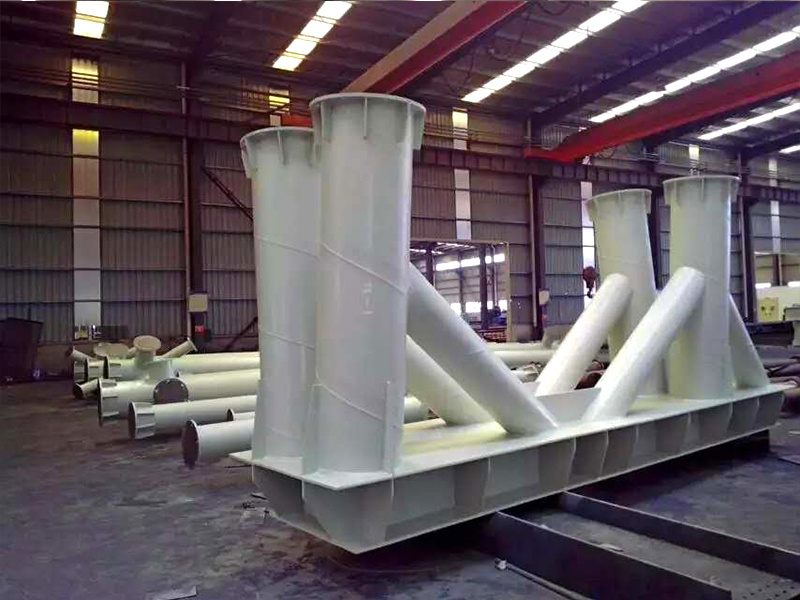
Steel Structure Projects: Redefining Durability and Design for Modern Architecture
Table of Contents
- 1. Introduction to Steel Structure Projects
- 2. Benefits of Steel Structures in Construction
- 3. Design Flexibility in Steel Structures
- 4. Sustainability and Steel Structures
- 5. Key Innovations in Steel Structure Projects
- 6. Case Studies: Successful Steel Structure Projects
- 7. Future Trends in Steel Structure Design
- 8. Frequently Asked Questions about Steel Structures
- 9. Conclusion
1. Introduction to Steel Structure Projects
Steel structures have revolutionized the construction industry. With their robust nature, adaptability, and innovative design capabilities, they have become the backbone of modern architecture. Steel structure projects not only exemplify durability but also showcase the unique ability to blend aesthetic appeal with functionality.
As we delve into the world of steel structures, we will explore the multifaceted benefits they offer, from exceptional strength-to-weight ratios to design versatility. Understanding these aspects is crucial for architects, builders, and stakeholders aiming to create lasting and striking structures.
2. Benefits of Steel Structures in Construction
One of the primary reasons steel structures dominate modern construction is their multitude of benefits. Here are some key advantages:
2.1 Exceptional Strength and Durability
Steel possesses a remarkable strength-to-weight ratio, allowing for the construction of larger and taller buildings without compromising safety. Unlike other materials, steel does not warp, crack, or shrink, ensuring longevity and resilience against environmental factors.
2.2 Cost-Effectiveness
Though the initial material cost of steel may be higher compared to alternatives, its durability often leads to lower lifecycle costs. Steel structures require less maintenance and can significantly reduce labor costs due to quicker assembly times.
2.3 Design Versatility
Architects favor steel for its flexibility in design. It allows for expansive open spaces and intricate designs that cater to modern architectural demands. Steel can be molded into various shapes and sizes, enabling creative freedom.
3. Design Flexibility in Steel Structures
The design of steel structures is not only functional but also artistic. Here’s how steel offers unparalleled design flexibility:
3.1 Open Floor Plans
Steel’s strength enables the creation of open floor plans, which are increasingly popular in commercial and residential buildings. This design feature enhances space utilization and encourages collaborative environments.
3.2 Unique Aesthetic Appeal
Steel structures can be finished in various ways, from exposed beams to sleek facades. This variety allows architects to create visually stunning buildings that can blend seamlessly with their surroundings or stand out as iconic landmarks.
3.3 Modular Construction
Steel’s adaptability lends itself to modular construction, where components are pre-fabricated and assembled on-site. This method accelerates the construction process and minimizes waste, aligning with contemporary sustainability goals.
4. Sustainability and Steel Structures
Sustainability is a critical consideration in modern construction. Steel structures can play a pivotal role in creating environmentally friendly buildings.
4.1 Recyclability
Steel is one of the most recycled materials globally. It can be repurposed without losing its inherent qualities, making it an eco-friendly choice for construction. This aspect significantly reduces the demand for new raw materials.
4.2 Energy Efficiency
Steel structures can be designed to incorporate energy-efficient systems, reducing overall energy consumption. Innovations such as insulated steel panels and reflective roofing contribute to lower heating and cooling costs.
4.3 Reduced Construction Waste
The precision in steel manufacturing minimizes waste during construction. Furthermore, modular and prefabricated components lead to a more efficient assembly process, resulting in fewer materials discarded.
5. Key Innovations in Steel Structure Projects
Innovation drives the steel construction industry forward. Here are some groundbreaking advancements:
5.1 Advanced Steel Fabrication Techniques
Modern fabrication techniques such as 3D printing and CNC machining streamline the production of steel components. These technologies enhance precision and reduce lead times.
5.2 Smart Steel Structures
The integration of smart technologies allows steel structures to monitor their own health and performance. Sensors embedded within the steel can detect stress, temperature fluctuations, and structural integrity, facilitating proactive maintenance.
5.3 Improved Coating Technologies
Advancements in protective coatings enhance the durability of steel structures against corrosion and weathering. These coatings extend the life span of buildings, especially in harsh environments.
6. Case Studies: Successful Steel Structure Projects
Examining real-world examples of steel structure projects illustrates their potential. Here are a few notable case studies:
6.1 The Shard, London
The Shard is a stunning example of steel's architectural potential, standing as one of the tallest buildings in Europe. Its meticulous design emphasizes both aesthetics and functionality, making it a landmark in London's skyline.
6.2 Beijing National Stadium (Bird's Nest)
This iconic structure demonstrates the design flexibility of steel. The intricate lattice design not only provides structural support but also creates a visually striking façade, symbolizing modern Chinese architecture.
6.3 One World Trade Center, New York
As a symbol of resilience, One World Trade Center showcases the strength and durability of steel. Its innovative design and advanced safety features make it a benchmark for future skyscrapers.
7. Future Trends in Steel Structure Design
The future of steel structures is bright, with several emerging trends shaping the industry:
7.1 Increased Use of Green Steel
The push for sustainability is leading to the development of green steel, produced using renewable energy sources and with lower carbon footprints. This trend aligns with global efforts to combat climate change.
7.2 Integration of Biophilic Design
The incorporation of biophilic design principles in steel structures promotes a connection between people and nature. This approach enhances occupant well-being and productivity, making it a priority for future architectural projects.
7.3 Innovative Structural Systems
New structural systems are being developed to enhance the performance of steel buildings. These include hybrid systems that combine steel with other materials, optimizing strength, flexibility, and sustainability.
8. Frequently Asked Questions about Steel Structures
8.1 What are the main advantages of using steel in construction?
Steel offers unmatched strength, durability, and flexibility in design. Its recyclability and cost-effectiveness make it a preferred choice for many construction projects.
8.2 How does steel compare to other building materials?
Compared to wood and concrete, steel provides a superior strength-to-weight ratio and greater design versatility. It is also less susceptible to environmental degradation.
8.3 What is the lifespan of a steel structure?
Steel structures can last for decades, often exceeding the lifespan of traditional materials with proper maintenance and protective coatings.
8.4 Are steel structures safe in terms of fire resistance?
Steel structures are inherently fire-resistant, though they require appropriate fireproofing measures. Modern design practices incorporate fire-resistant materials to enhance safety.
8.5 Can steel structures be adapted for earthquake-prone areas?
Yes, steel structures can be engineered to withstand seismic activity. Advanced design techniques and materials allow for flexibility and strength, reducing the risk of damage during earthquakes.
9. Conclusion
Steel structure projects are redefining modern architecture through their unique combination of durability and design flexibility. As the construction industry evolves, the adoption of steel continues to offer innovative solutions that meet the demands of sustainability, aesthetic appeal, and structural integrity. By embracing the advantages of steel, architects and builders alike can create iconic structures that stand the test of time, ultimately shaping the future of urban landscapes. The exploration of steel's potential is only just beginning, and the possibilities for steel structure projects are boundless as we move forward into a new era of architectural excellence.
Tag:
Related News


Can't find the service you're looking for? Contact us!
To inquire about our products, please leave your email to us and we will contact you within 24 hours.
Contact Us
Telephone:+86 15522531711
Landline:086 22-86220000
E-mail:18133150209@139.com
Address: Three Communities of Agricultural Corporation of Lutai Economic Development Zone, Tangshan City,China