



From Concept to Creation: Steel Structure Projects Made Simple
Release time:
2024-11-02
From Concept to Creation: Steel Structure Projects Made Simple Table of Contents 1. Introduction to Steel Structures 2. Benefits of Steel Structures in Construction 3. Planning Your Steel Structure Project 4. Designing Steel Structures 5. Material Selection for Steel Structures 6. Construction Process of Steel Structures 7. Safety Standards and Regulations 8. Sustainability in Ste
From Concept to Creation: Steel Structure Projects Made Simple
Table of Contents
- 1. Introduction to Steel Structures
- 2. Benefits of Steel Structures in Construction
- 3. Planning Your Steel Structure Project
- 4. Designing Steel Structures
- 5. Material Selection for Steel Structures
- 6. Construction Process of Steel Structures
- 7. Safety Standards and Regulations
- 8. Sustainability in Steel Construction
- 9. FAQ About Steel Structure Projects
- 10. Conclusion
1. Introduction to Steel Structures
Steel structures have become a cornerstone of modern construction due to their strength, flexibility, and durability. We recognize that the journey from concept to creation in steel structures involves various stages, each requiring careful consideration and expertise. In this article, we aim to simplify the complexities associated with steel structure projects. Whether you're a seasoned architect or a newcomer to the field, understanding the fundamentals of steel structures is essential for successful implementation.
2. Benefits of Steel Structures in Construction
Steel structures offer numerous advantages over traditional construction materials. Here are some key benefits:
Durability and Longevity
Steel is resistant to weather, pests, and decay, making it an ideal choice for structures that need to withstand the test of time. With proper maintenance, steel structures can last for decades, significantly reducing the need for replacement.
Cost-Effectiveness
While the initial investment in steel may be higher than other materials, the long-term savings on maintenance and repairs can make it a more economical option. Additionally, steel structures can often be erected more quickly, reducing labor costs.
Design Flexibility
Steel's strength allows for innovative architectural designs. With fewer columns and supports, architects can create open spaces that enhance functionality and aesthetic appeal.
3. Planning Your Steel Structure Project
Effective planning is critical for the success of any steel structure project. Below are important steps to consider:
Define Your Objectives
Understanding the purpose of your steel structure is the first step. Are you constructing a commercial building, a warehouse, or perhaps a bridge? Clearly defining your objectives will guide the entire process.
Engage Professionals
Consulting with architects, engineers, and construction managers early in the planning phase will help align your vision with practical solutions. Their expertise is invaluable in navigating challenges that may arise.
Create a Comprehensive Timeline
Establishing a timeline with milestones will keep your project on track. Consider potential delays due to weather, procurement, and other factors to ensure realistic expectations.
4. Designing Steel Structures
Designing steel structures involves intricate calculations and considerations. Here’s what we need to focus on:
Load Analysis
Understanding the loads that a structure must support is vital. This includes dead loads (the weight of the structure itself), live loads (occupants and furniture), and environmental loads (wind, snow, seismic activity).
Structural Integrity
Utilizing advanced software tools, engineers can simulate the performance of steel structures under various conditions. This is crucial for ensuring the safety and durability of the design.
Aesthetic Considerations
Incorporating aesthetic elements into steel design enhances the overall appeal. Whether through unique shapes or creative finishes, the visual aspects of steel structures can make a significant impact.
5. Material Selection for Steel Structures
Choosing the right materials is essential for achieving the desired outcomes in steel construction. Consider the following:
Types of Steel
Different types of steel, such as carbon steel, stainless steel, and alloy steel, offer varying properties suited for specific applications. Selecting the appropriate type is crucial for performance and cost-effectiveness.
Coatings and Treatments
Protective coatings enhance the longevity of steel structures by preventing corrosion. Various treatments can be applied depending on the environmental conditions the structure will face.
Sustainability Considerations
We should prioritize sustainable materials and practices in steel construction. Using recycled steel and minimizing waste are essential steps toward reducing the environmental impact of our projects.
6. Construction Process of Steel Structures
The construction phase is where the planning and design come to life. Here are the key steps involved:
Site Preparation
Before construction begins, the site must be properly prepared. This includes grading, excavation, and laying a solid foundation to support the steel structure.
Fabrication
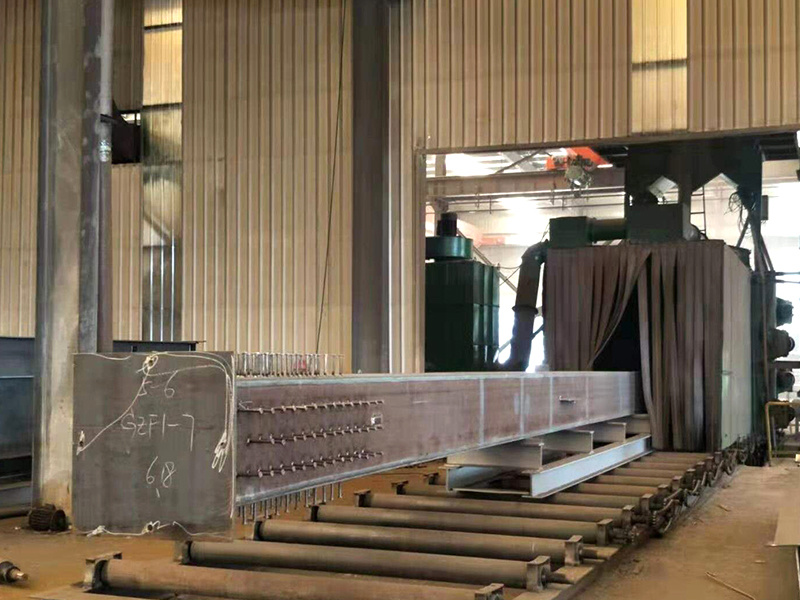
Steel components are typically fabricated off-site in controlled environments. This process includes cutting, welding, and assembling the parts before they are transported to the construction site.
Assembly
Once on-site, the fabricated components must be carefully assembled. Skilled labor is essential to ensure that connections are secure and that the structure adheres to design specifications.
7. Safety Standards and Regulations
Adhering to safety standards and regulations is paramount in steel construction. Here’s how we ensure compliance:
Building Codes
Familiarizing ourselves with local building codes and regulations is crucial. These codes dictate the standards for design, materials, and construction practices to ensure safety.
Regular Inspections
Conducting regular inspections during construction helps identify potential issues early. This proactive approach minimizes risks and ensures that safety protocols are followed.
Training and Certification
Ensuring that all workers are adequately trained and certified in safety practices is non-negotiable. Continuous education on safety measures is essential in maintaining a safe work environment.
8. Sustainability in Steel Construction
Sustainability is increasingly important in modern construction practices. Here’s how we can incorporate eco-friendly practices into steel projects:
Recycling and Reusing Materials
Steel is one of the most recycled materials globally. Promoting the use of recycled steel not only conserves resources but also reduces energy consumption in manufacturing.
Energy Efficiency
Implementing energy-efficient designs and technologies can significantly lower the carbon footprint of steel structures. This includes optimizing insulation and using renewable energy sources during construction.
Life Cycle Assessment
Conducting a life cycle assessment helps us understand the environmental impact of steel structures from inception to demolition. This awareness drives us to make more sustainable choices throughout the project.
9. FAQ About Steel Structure Projects
What is the average lifespan of a steel structure?
Steel structures can last for 50 years or more with proper maintenance and care.
How do I choose the right contractor for my steel project?
Look for contractors with experience in steel construction, positive reviews, and proper certifications.
Are steel structures resistant to natural disasters?
Yes, steel structures are designed to withstand various natural disasters, including earthquakes and high winds, with proper engineering.
What are the most common applications of steel structures?
Steel structures are commonly used for commercial buildings, bridges, warehouses, industrial facilities, and residential homes.
How can I ensure my steel structure is environmentally friendly?
Incorporate recycled materials, use energy-efficient designs, and conduct life cycle assessments to promote sustainability in your project.
10. Conclusion
From concept to creation, steel structure projects can be streamlined with careful planning, design, and execution. By understanding the benefits, processes, and sustainability aspects of steel construction, we empower ourselves to create innovative, durable, and eco-friendly structures. As we continue to advance in construction technology and practices, embracing steel as a primary material will undoubtedly shape the future of building. Whether you are embarking on your first steel project or looking to enhance your existing knowledge, the insights provided in this article will pave the way for successful steel structure projects.
Tag:
Related News


Can't find the service you're looking for? Contact us!
To inquire about our products, please leave your email to us and we will contact you within 24 hours.
Contact Us
Telephone:+86 15522531711
Landline:086 22-86220000
E-mail:18133150209@139.com
Address: Three Communities of Agricultural Corporation of Lutai Economic Development Zone, Tangshan City,China