



Key Factors to Consider for Successful Steel Structure Assembly
Release time:
2024-10-23
Key Factors to Consider for Successful Steel Structure Assembly Table of Contents Understanding Steel Structures Importance of Proper Planning and Design Selecting Quality Materials for Steel Structures Workforce Skills and Training Requirements Effective Assembly Techniques for Steel Structures Adhering to Safety Regulations and Standards Implementing Quality Control Measures
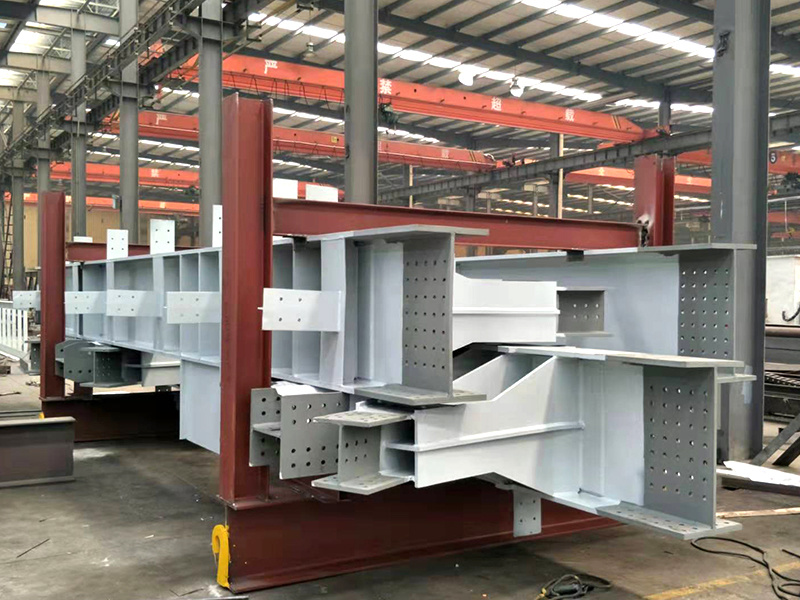
Key Factors to Consider for Successful Steel Structure Assembly
Table of Contents
- Understanding Steel Structures
- Importance of Proper Planning and Design
- Selecting Quality Materials for Steel Structures
- Workforce Skills and Training Requirements
- Effective Assembly Techniques for Steel Structures
- Adhering to Safety Regulations and Standards
- Implementing Quality Control Measures
- The Role of Project Management in Steel Assembly
- Frequently Asked Questions
- Conclusion
Understanding Steel Structures
Steel structures are essential components in modern construction, known for their strength, durability, and versatility. They are used in various applications, from industrial buildings and warehouses to bridges and high-rise buildings. Understanding the fundamental characteristics of steel structures is crucial for ensuring a successful assembly process. Steel is renowned for its high tensile strength, which allows it to withstand heavy loads while maintaining structural integrity. Moreover, steel structures can be prefabricated, allowing for quicker assembly on site, which minimizes labor costs and construction time.
Importance of Proper Planning and Design
Effective planning is the cornerstone of successful steel structure assembly. This phase involves several critical steps, including:
Defining Project Goals and Objectives
Before any assembly begins, it's vital to clearly define what the project aims to achieve. This includes understanding the architectural design, structural requirements, and intended use of the steel structure.
Creating Detailed Blueprints and Specifications
Comprehensive blueprints that outline every detail of the steel structure are essential. These specifications should include dimensions, material types, load-bearing capabilities, and other technical details that guide the assembly process.
Conducting Site Assessments
Site assessments help identify any potential challenges that could affect assembly. This includes analyzing soil conditions, access points, and any environmental factors that could hinder the building process.
Selecting Quality Materials for Steel Structures
The quality of materials chosen for steel structures directly impacts their performance and longevity. When selecting materials, consider the following:
High-Grade Steel Selection
Choosing high-grade steel is paramount. Look for materials that comply with relevant industry standards and certifications. High-quality steel improves structural integrity and resistance to environmental factors such as corrosion and fatigue.
Compatibility with Other Materials
Consider how the steel will interact with other materials used in the project. This includes insulation, cladding, and finishes that must be compatible to ensure effective assembly and long-term performance.
Supplier Reliability and Reputation
Select suppliers with a proven track record in providing quality steel materials. Research their reputation, delivery timelines, and customer service. Reliable suppliers contribute to a smoother assembly process and ensure that materials meet the required standards.
Workforce Skills and Training Requirements
The success of any assembly project hinges on the skill level of the workforce involved. Assembling steel structures demands specialized knowledge and expertise.
Recruiting Skilled Labor
Recruit skilled workers who have experience in steel structure assembly. This includes welders, fabricators, and construction workers who understand the intricacies of working with steel.
Ongoing Training and Certification
Invest in ongoing training programs to keep your workforce updated on the latest assembly techniques and safety protocols. Certification programs can enhance their skills and ensure they are equipped to handle modern challenges effectively.
Effective Assembly Techniques for Steel Structures
Using the right assembly techniques is vital for the success of steel structure projects. Implement the following methods:
Modular Construction Approaches
Modular construction involves prefabricating sections of the steel structure in a controlled environment before transporting them to the site for assembly. This technique reduces on-site labor and minimizes construction time.
Advanced Joining Methods
Utilizing advanced joining methods, such as bolting and welding, ensures secure connections between steel components. Properly performed joints enhance the overall stability and integrity of the structure.
Utilizing Technology for Precision
Incorporate technology, such as Building Information Modeling (BIM), to visualize and plan the assembly process. BIM allows for better coordination and communication among team members, minimizing errors and rework.
Adhering to Safety Regulations and Standards
Safety is paramount in construction, particularly when assembling steel structures. Adhere to the following regulations:
Understanding OSHA Regulations
The Occupational Safety and Health Administration (OSHA) provides guidelines to ensure workplace safety during construction. Familiarize your team with these regulations and implement safety practices accordingly.
Implementing Safety Training Programs
Conduct safety training programs that educate the workforce on potential hazards associated with steel structure assembly. Regular drills and reviews can reinforce safe practices on-site.
Providing Personal Protective Equipment
Ensure that all workers have access to appropriate Personal Protective Equipment (PPE) such as helmets, gloves, and safety harnesses. Proper gear reduces the risk of injuries during assembly.
Implementing Quality Control Measures
Quality control is essential to ensure that all components of a steel structure meet the required standards. Key measures include:
Regular Inspections and Testing
Conduct regular inspections throughout the assembly process. This includes testing materials for structural integrity and verifying that assembly techniques are being applied correctly.
Documentation and Reporting
Maintain detailed records of inspections, tests, and any issues that arise during assembly. This documentation is vital for accountability and future reference.
Continuous Improvement Processes
Establish processes for continuous improvement within your assembly operations. Solicit feedback from workers and stakeholders to identify areas for enhancement and implement necessary changes.
The Role of Project Management in Steel Assembly
Effective project management ensures that steel structure assembly stays on track, within budget, and meets quality standards.
Coordinating Team Efforts
A skilled project manager coordinates the efforts of various teams involved in the assembly process. This includes communication between architects, engineers, and construction teams to ensure that everyone is aligned with project goals.
Monitoring Timelines and Budgets
Keep a close eye on project timelines and budgets. Establish clear milestones and use project management tools to track progress and identify potential delays early on.
Stakeholder Communication
Maintain open lines of communication with all stakeholders. Regular updates and meetings can help address any issues promptly and keep the project moving forward smoothly.
Frequently Asked Questions
1. What are the benefits of using steel structures in construction?
Steel structures provide strength, durability, and flexibility in design, making them suitable for a variety of applications. They can also be prefabricated, reducing on-site assembly time.
2. How do I choose the right steel supplier?
Look for suppliers with a strong reputation for quality, reliability, and timely delivery. Research their certifications and customer reviews to ensure they meet industry standards.
3. What safety measures should be implemented during steel assembly?
Implementing safety training programs, adhering to OSHA guidelines, and providing Personal Protective Equipment (PPE) are essential measures to ensure worker safety.
4. How important is quality control in steel structure assembly?
Quality control is crucial as it ensures all materials and assembly methods meet safety and performance standards, ultimately leading to a successful project.
5. What role does technology play in steel structure assembly?
Technology such as Building Information Modeling (BIM) helps visualize and plan the assembly process, improving coordination and reducing errors.
Conclusion
In conclusion, successful steel structure assembly hinges on several critical factors, including proper planning, quality materials, skilled labor, and adherence to safety regulations. By focusing on these key aspects and implementing effective project management strategies, you can ensure a seamless assembly process that meets all quality and safety standards. The future of construction lies in the continuous improvement of assembly techniques, and by embracing these principles, we can build resilient and sustainable structures for generations to come.
Tag:
Related News


Can't find the service you're looking for? Contact us!
To inquire about our products, please leave your email to us and we will contact you within 24 hours.
Contact Us
Telephone:+86 15522531711
Landline:086 22-86220000
E-mail:18133150209@139.com
Address: Three Communities of Agricultural Corporation of Lutai Economic Development Zone, Tangshan City,China