



Advantages of Steel Structures in Modern Architecture: A Closer Look
Release time:
2024-10-03
Advantages of Steel Structures in Modern Architecture: A Closer Look Table of Contents Introduction to Steel Structures in Modern Architecture Key Benefits of Using Steel in Construction 1. Exceptional Durability and Strength 2. Sustainability and Environmental Impact 3. Design Flexibility and Aesthetic Appeal 4. Cost Efficiency Over the Lifecycle 5. Con
Advantages of Steel Structures in Modern Architecture: A Closer Look
Table of Contents
- Introduction to Steel Structures in Modern Architecture
- Key Benefits of Using Steel in Construction
- 1. Exceptional Durability and Strength
- 2. Sustainability and Environmental Impact
- 3. Design Flexibility and Aesthetic Appeal
- 4. Cost Efficiency Over the Lifecycle
- 5. Construction Speed and Efficiency
- Diverse Applications of Steel Structures
- Challenges in Using Steel Structures
- The Future of Steel in Architecture
- Frequently Asked Questions
- Conclusion
Introduction to Steel Structures in Modern Architecture
As we venture deeper into the 21st century, the **architecture and construction industry** continues to evolve, and steel structures have emerged as a cornerstone of this transformation. With their ability to combine **strength**, **versatility**, and **aesthetic appeal**, steel structures are redefining the skyline of our cities and transforming how we think about building design. This article explores the **numerous advantages of steel structures** in modern architecture.
Key Benefits of Using Steel in Construction
When selecting materials for construction, architects and builders prioritize performance, cost, and sustainability. Here, we delve into the primary advantages of using steel structures.
1. Exceptional Durability and Strength
Steel is renowned for its remarkable strength-to-weight ratio, which allows it to withstand extreme conditions, including high winds, earthquakes, and heavy snow loads. Its **durability** ensures that buildings maintain their structural integrity over time, minimizing the need for frequent repairs. Unlike wood, which can rot or warp under certain conditions, steel remains resilient, making it a reliable choice for both residential and commercial projects.
2. Sustainability and Environmental Impact
In an age where **sustainability** is paramount, steel structures offer significant environmental benefits. Steel is 100% recyclable, meaning that it can be repurposed without degrading its quality. This characteristic not only helps reduce waste in landfills but also conserves natural resources by minimizing the need for new raw materials. Additionally, steel buildings can be designed to be highly energy-efficient, further reducing their environmental footprint.
3. Design Flexibility and Aesthetic Appeal
One of the standout features of steel structures is their **design flexibility**. Steel can be molded into various shapes and sizes, allowing architects to experiment with innovative designs that push the boundaries of traditional building aesthetics. From sleek modern buildings to expansive open spaces, the versatility of steel enables the creation of visually striking structures that meet diverse functional needs.
4. Cost Efficiency Over the Lifecycle
While the initial cost of steel may be higher than other building materials, its long-term **cost efficiency** is undeniable. The durability of steel structures translates to lower maintenance and repair costs over time. Furthermore, the speed of construction associated with steel buildings reduces labor costs, making them an economically viable option.
5. Construction Speed and Efficiency
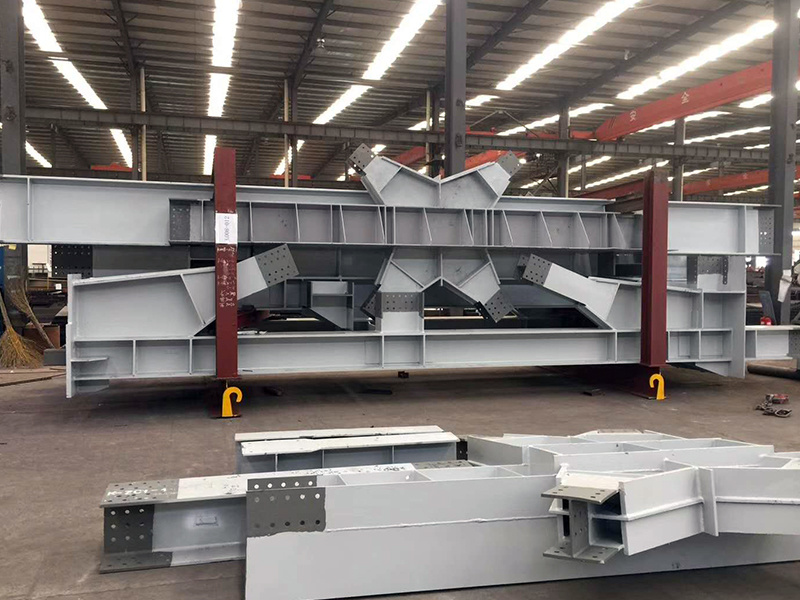
Time is often a critical factor in construction projects, and steel structures can significantly accelerate the building process. Steel components are often prefabricated in a factory setting, allowing for quicker assembly on-site. This efficiency not only saves time but also minimizes disruptions to the surrounding environment and community.
Diverse Applications of Steel Structures
Steel structures are versatile and can be utilized in various applications, showcasing their adaptability to different architectural styles and functional requirements.
Commercial Buildings
Steel is commonly used in the construction of **skyscrapers**, office spaces, and retail outlets. The material's strength allows for tall, open spaces without the need for excessive support columns, offering both functionality and aesthetic appeal.
Industrial Facilities
Industrial applications often require robust structures capable of withstanding heavy machinery and equipment. Steel structures excel in these environments, providing reliable support and safety in factories, warehouses, and distribution centers.
Residential Homes
In recent years, there has been a growing trend in the use of steel in residential construction. Steel-framed homes offer modern aesthetics and durability without sacrificing comfort. They can also be built quickly, appealing to homeowners looking to construct their dream homes efficiently.
Bridges and Infrastructure
Steel is a preferred material for **bridges** and other infrastructure projects due to its ability to bear heavy loads and resist environmental stressors. Steel bridges not only provide functionality but also enhance the visual impact of the surrounding landscape.
Challenges in Using Steel Structures
Despite the many advantages, there are challenges associated with steel structures. Understanding these obstacles is crucial for successful implementation.
Corrosion
Steel is susceptible to corrosion, especially in environments with high humidity or exposure to harsh chemicals. To combat this, proper coatings and treatments must be applied during construction and maintenance to ensure longevity.
Thermal Conductivity
Steel conducts heat efficiently, which can lead to energy inefficiencies in poorly insulated buildings. Incorporating proper insulation materials can address this issue, ensuring that steel structures maintain comfortable indoor temperatures.
The Future of Steel in Architecture
As technology continues to advance, the future of steel in architecture looks promising. Innovations in **steel production**, such as the development of low-carbon steel, are likely to enhance the sustainability of steel structures further. The integration of smart technologies in steel buildings will also improve energy efficiency and adaptability to changing environmental conditions.
Frequently Asked Questions
1. What are the main advantages of steel structures?
Steel structures offer exceptional durability, sustainability, design flexibility, cost efficiency, and rapid construction capabilities.
2. How does steel compare to other building materials?
Steel has a superior strength-to-weight ratio compared to materials like wood and concrete, making it an excellent choice for various applications.
3. Are steel structures environmentally friendly?
Yes, steel is 100% recyclable and can be repurposed without losing quality, contributing to reduced waste and conserving resources.
4. What types of buildings are best suited for steel construction?
Steel is ideal for commercial buildings, industrial facilities, residential homes, and infrastructure projects like bridges.
5. What challenges do steel structures face?
Common challenges include corrosion and thermal conductivity, which can be mitigated through proper construction techniques and maintenance.
Conclusion
Steel structures play a pivotal role in modern architecture, offering a myriad of advantages that cater to the needs of today's builders and architects. With their exceptional durability, sustainability, and design flexibility, steel buildings are not only revolutionizing how we construct but also shaping the future of our urban landscapes. As we embrace innovative technologies and sustainable practices, steel will undoubtedly continue to be a preferred choice in the architectural realm, paving the way for a brighter, more efficient future in construction.
Related News


Can't find the service you're looking for? Contact us!
To inquire about our products, please leave your email to us and we will contact you within 24 hours.
Contact Us
Telephone:+86 15522531711
Landline:086 22-86220000
E-mail:18133150209@139.com
Address: Three Communities of Agricultural Corporation of Lutai Economic Development Zone, Tangshan City,China