



Step-by-Step: Ensuring Precision in Steel Structure Installation
Release time:
2024-09-13
Step-by-Step: Ensuring Precision in Steel Structure Installation Table of Contents Understanding Steel Structures and Their Importance Planning the Installation Process Tools and Equipment Needed for Steel Structure Installation Essential Safety Measures in Steel Structure Installation Step-by-Step Installation Guide for Steel Structures Common Challenges and Solutions in
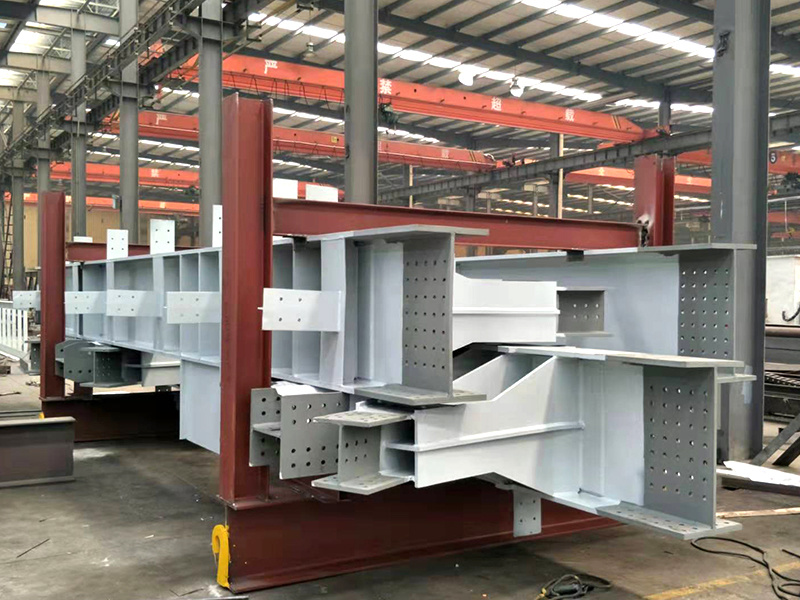
Step-by-Step: Ensuring Precision in Steel Structure Installation
Table of Contents
- Understanding Steel Structures and Their Importance
- Planning the Installation Process
- Tools and Equipment Needed for Steel Structure Installation
- Essential Safety Measures in Steel Structure Installation
- Step-by-Step Installation Guide for Steel Structures
- Common Challenges and Solutions in Steel Structure Installation
- Maintaining and Inspecting Steel Structures Post-Installation
- Conclusion
- FAQs
Understanding Steel Structures and Their Importance
Steel structures form the backbone of modern architecture and engineering, providing strength and durability to various constructions. From skyscrapers to bridges, these structures are designed to withstand significant loads and environmental stresses. Understanding the fundamentals of steel structures—such as their composition, types, and applications—is crucial in ensuring their successful installation. The inherent properties of steel, including its high tensile strength and resistance to deformation, make it a preferred material in construction. Furthermore, advancements in steel fabrication technologies have led to more precise and efficient building practices.
Planning the Installation Process
Proper planning is vital for a successful steel structure installation. Before starting, it is essential to assess the project requirements, including site conditions, structural specifications, and local regulations. Here are key aspects to consider during the planning phase:
1. Site Assessment
Evaluate the installation site for accessibility, ground stability, and environmental conditions. Identifying potential challenges early on allows for better preparation and resource allocation.
2. Structural Design Review
Review the structural design documents in detail. Ensure that the design complies with local building codes and standards. Collaborate with engineers and architects to clarify any ambiguities.
3. Material Selection
Choose high-quality steel materials that meet the design specifications. Consider factors such as load capacity, corrosion resistance, and environmental impacts when making material selections.
Tools and Equipment Needed for Steel Structure Installation
To ensure a precise and efficient installation, having the right tools and equipment is critical. Below are the essential items required for steel structure installation:
1. Lifting Equipment
Cranes, hoists, and forklifts are necessary for lifting and maneuvering heavy steel components into place. Ensure that all lifting equipment is rated for the load being handled and is operated by qualified personnel.
2. Alignment Tools
Use laser levels and alignment tools to ensure that steel components are accurately positioned. Proper alignment is essential for the integrity of the structure and to prevent future issues.
3. Fastening Tools
Wrenches, bolt guns, and other fastening tools are required for securing steel connections. Understanding the specific requirements for bolt tensioning and welding is important to achieve reliable connections.
Essential Safety Measures in Steel Structure Installation
Safety should always be a top priority during steel structure installation. Implementing the following safety measures can help prevent accidents and ensure a safe working environment:
1. Personal Protective Equipment (PPE)
Ensure all workers wear appropriate PPE, including hard hats, gloves, safety goggles, and steel-toed boots. PPE minimizes the risk of injury from falling objects or accidental contact with sharp materials.
2. Safety Training
Provide comprehensive safety training for all personnel involved in the installation process. Regular training sessions can reinforce safe work practices and equip workers to handle emergencies effectively.
3. Worksite Safety Protocols
Establish clear safety protocols for the worksite, including emergency procedures and communication methods. Regular site inspections can help identify hazards and promote a culture of safety.
Step-by-Step Installation Guide for Steel Structures
Following a systematic approach is crucial for ensuring precision in steel structure installation. Here’s a detailed step-by-step guide:
Step 1: Preparation and Layout
Begin by marking the layout according to the design specifications. Use stakes and string lines to delineate the structure’s footprint on the ground, ensuring all dimensions are accurate.
Step 2: Foundation Installation
Prepare and pour the foundation, ensuring it is level and meets structural requirements. The foundation must adequately support the weight of the steel structure and be free of any defects.
Step 3: Erecting Columns
Position and secure the vertical steel columns using cranes. Use alignment tools to ensure they are plumb and level. Temporarily brace columns until they are permanently secured.
Step 4: Installing Beams
Once columns are in place, proceed with the installation of the horizontal beams. Secure beams to the columns using bolts or welds, following the specified connection details in the design.
Step 5: Adding Bracing and Diaphragms
Install diagonal bracing or diaphragms as specified in the design. This step enhances the structural stability and helps distribute loads evenly throughout the framework.
Step 6: Final Inspections
Conduct a thorough inspection of the installed structure to verify that all components are correctly positioned and secured. Check for compliance with safety standards and design specifications.
Common Challenges and Solutions in Steel Structure Installation
Steel structure installation can present various challenges. Understanding these common issues and their solutions can help streamline the process:
1. Misalignment of Components
Misalignment can lead to structural weaknesses. To combat this, consistently use alignment tools throughout the installation process to ensure accuracy.
2. Weather Conditions
Adverse weather can hinder installation progress. Monitor weather forecasts, and plan installation activities during favorable conditions. Implement protective measures for materials when necessary.
3. Equipment Failure
Equipment breakdown can result in delays. Regular maintenance and inspections of all machinery and tools can help mitigate this risk.
Maintaining and Inspecting Steel Structures Post-Installation
After installation, ongoing maintenance is essential to preserve the integrity and longevity of steel structures. Regular inspections and maintenance tasks include:
1. Routine Inspections
Schedule periodic inspections to identify signs of wear, corrosion, or structural issues. Early detection of problems allows for prompt repairs and ensures safety.
2. Corrosion Protection
Implement protective coatings and treatments to prevent corrosion, especially in environments prone to moisture and chemicals. Regularly assess the condition of protective measures.
3. Load Monitoring
Monitor the load conditions on the structure to ensure compliance with design specifications. Address any changes in load distribution or unexpected stress factors immediately.
Conclusion
Installing steel structures with precision is crucial for ensuring their strength, safety, and longevity. By following a systematic approach that includes thorough planning, appropriate tool selection, strict adherence to safety protocols, and ongoing maintenance, we can achieve successful installations that stand the test of time. Understanding the nuances of steel structure installation not only enhances our competence in the field but also contributes to the overall quality of our construction projects.
FAQs
1. What are the key factors to ensure precision in steel structure installation?
Key factors include accurate planning, proper alignment tools, thorough inspections, and adherence to safety protocols.
2. How often should steel structures be inspected after installation?
Routine inspections should be conducted at least annually, with more frequent assessments in harsh environments.
3. What safety equipment is necessary for steel structure installation?
Essential safety equipment includes hard hats, gloves, safety goggles, and steel-toed boots, along with fall protection gear.
4. What are common materials used for steel structures?
Common materials include carbon steel, stainless steel, and weathering steel, each serving specific structural needs.
5. How can corrosion be prevented in steel structures?
Corrosion can be prevented through protective coatings, regular maintenance, and environmental control measures.
Tag:
Related News


Can't find the service you're looking for? Contact us!
To inquire about our products, please leave your email to us and we will contact you within 24 hours.
Contact Us
Telephone:+86 15522531711
Landline:086 22-86220000
E-mail:18133150209@139.com
Address: Three Communities of Agricultural Corporation of Lutai Economic Development Zone, Tangshan City,China