



Steel Structures: A Fusion of Technology and Artistry in Construction
Release time:
2024-09-03
Steel Structures: A Fusion of Technology and Artistry in Construction Table of Contents 1. Introduction to Steel Structures 2. Benefits of Steel in Construction 3. Applications of Steel Structures 4. Design Innovation in Steel Structures 5. Sustainability in Steel Construction 6. Engineering Technologies in Steel Construction 7. The Future of Steel Structures 8. Co
Steel Structures: A Fusion of Technology and Artistry in Construction
Table of Contents
- 1. Introduction to Steel Structures
- 2. Benefits of Steel in Construction
- 3. Applications of Steel Structures
- 4. Design Innovation in Steel Structures
- 5. Sustainability in Steel Construction
- 6. Engineering Technologies in Steel Construction
- 7. The Future of Steel Structures
- 8. Conclusion
- 9. Frequently Asked Questions
1. Introduction to Steel Structures
Steel structures have become a hallmark of modern construction, combining the strength of steel with innovative design principles. This fusion of technology and artistry not only results in buildings that are visually appealing but also structurally sound and efficient. Steel has evolved beyond being merely a construction material; it embodies a blend of engineering excellence and architectural creativity. In this article, we will explore the various facets of steel structures, their benefits, and their role in the future of construction.
2. Benefits of Steel in Construction
2.1 Strength and Durability
Steel is renowned for its remarkable strength-to-weight ratio. This characteristic allows architects to create expansive spaces without the need for numerous supporting columns, enabling open floor plans and larger, more flexible designs. Additionally, steel’s resistance to various environmental factors, such as wind and seismic activities, ensures the longevity of structures.
2.2 Cost-Effectiveness
While the initial cost of steel might be higher compared to traditional materials like wood or concrete, its durability means lower maintenance costs over time. Furthermore, steel's prefabrication capabilities allow for quicker construction timelines, reducing labor expenses and minimizing the overall project budget.
2.3 Design Flexibility
Steel can be molded into various shapes and sizes, providing architects with the liberty to experiment with unique designs. This flexibility not only enhances aesthetic appeal but also enables the creation of innovative structural solutions that can meet diverse project requirements.
3. Applications of Steel Structures
3.1 Commercial Buildings
Steel is widely used in the construction of commercial buildings such as offices, shopping malls, and factories. Its ability to support large spans and heavy loads makes it ideal for multi-story buildings and expansive retail spaces.
3.2 Industrial Applications
In industrial settings, steel structures are employed for factories, warehouses, and storage facilities. Their robust nature allows for efficient operations, enabling the safe storage of materials and machinery.
3.3 Infrastructure and Bridges
Steel plays a critical role in infrastructure projects, particularly in the construction of bridges, highways, and rail systems. Its tensile strength is essential for creating safe and durable transportation networks.
3.4 Residential Homes
The use of steel in residential construction is on the rise. Steel frames are increasingly popular for modern homes, offering a contemporary aesthetic while ensuring structural integrity.
4. Design Innovation in Steel Structures
4.1 Architectural Marvels
Steel has enabled architects to push the boundaries of design. Iconic structures such as the Eiffel Tower and the Burj Khalifa showcase the artistic potential of steel, merging functionality with beauty.
4.2 Modular Construction
The rise of modular construction techniques has revolutionized the building industry. Steel components can be prefabricated off-site, allowing for faster assembly and reduced construction waste. This method promotes efficiency and sustainability.
5. Sustainability in Steel Construction
5.1 Recyclability of Steel
One of the most significant advantages of steel is its recyclability. Steel can be repurposed without losing its quality, making it a sustainable choice for construction projects. This reduces the demand for new raw materials and minimizes environmental impact.
5.2 Energy Efficiency
Modern steel structures often incorporate energy-efficient technologies, such as insulation and solar panels. These innovations contribute to reduced energy consumption, making buildings more sustainable and cost-effective over their lifespan.
6. Engineering Technologies in Steel Construction
6.1 Advanced Fabrication Techniques
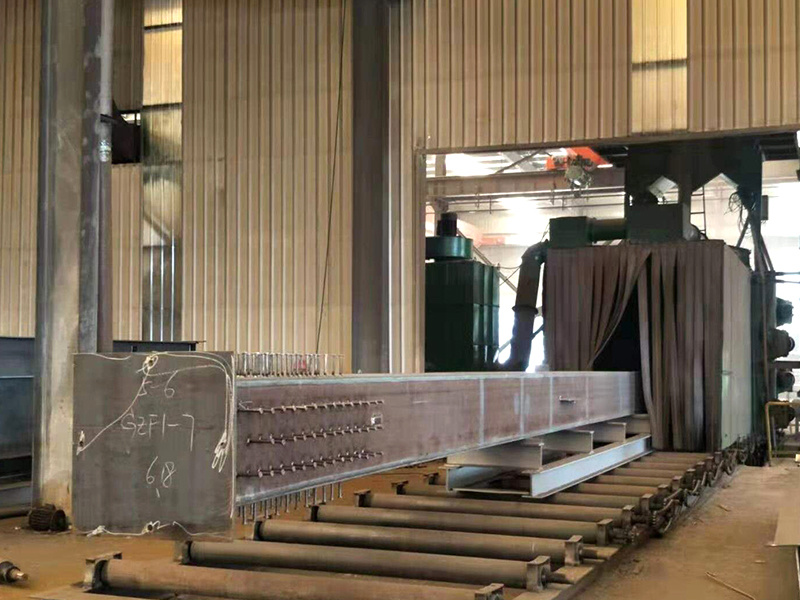
The use of advanced fabrication technologies, including CNC machining and 3D printing, has streamlined the production of steel components. These techniques enhance precision, reduce waste, and improve overall project efficiency.
6.2 Building Information Modeling (BIM)
BIM technology has transformed the way steel structures are designed and constructed. It allows for detailed visualization, improved collaboration among stakeholders, and better project management, leading to more successful outcomes.
7. The Future of Steel Structures
As we move towards a more sustainable and technologically advanced future, the role of steel in construction is set to expand. Innovations in material science, such as the development of high-strength and lightweight steel, will further enhance the capabilities of steel structures. Additionally, the integration of smart technologies and green building practices will play a pivotal role in shaping the future of steel in construction.
8. Conclusion
Steel structures represent a unique fusion of technology and artistry in construction. Their remarkable strength, cost-effectiveness, design flexibility, and sustainability make them an ideal choice for modern architectural projects. As we continue to innovate and push the boundaries of design, steel will undoubtedly remain at the forefront of the construction industry. Embracing steel not only enhances the aesthetic appeal of buildings but also contributes to a more sustainable and efficient future.
9. Frequently Asked Questions
1. What are the main advantages of using steel in construction?
The main advantages include high strength-to-weight ratio, durability, cost-effectiveness, and design flexibility.
2. Can steel structures be environmentally friendly?
Yes, steel is highly recyclable and can incorporate energy-efficient technologies, making it a sustainable choice for construction.
3. What types of buildings commonly use steel structures?
Steel is commonly used in commercial buildings, industrial applications, infrastructure projects, and increasingly in residential homes.
4. How does modular construction benefit steel structures?
Modular construction allows for prefabrication of steel components, leading to faster assembly, reduced waste, and improved efficiency.
5. What role does technology play in modern steel construction?
Advanced fabrication techniques and Building Information Modeling (BIM) enhance precision, collaboration, and overall project management in steel construction.
Tag:
Related News


Can't find the service you're looking for? Contact us!
To inquire about our products, please leave your email to us and we will contact you within 24 hours.
Contact Us
Telephone:+86 15522531711
Landline:086 22-86220000
E-mail:18133150209@139.com
Address: Three Communities of Agricultural Corporation of Lutai Economic Development Zone, Tangshan City,China