



Understanding the Essentials of Steel Building Installation
Release time:
2024-08-19
Steel building installation is a vital process in the construction industry, particularly for those involved in structural steel framing and architectural design. As steel structures have gained popularity for their durability, versatility, and cost-effectiveness, understanding the installation process becomes crucial for project professionals. Here, we delve into the key aspects that define the s
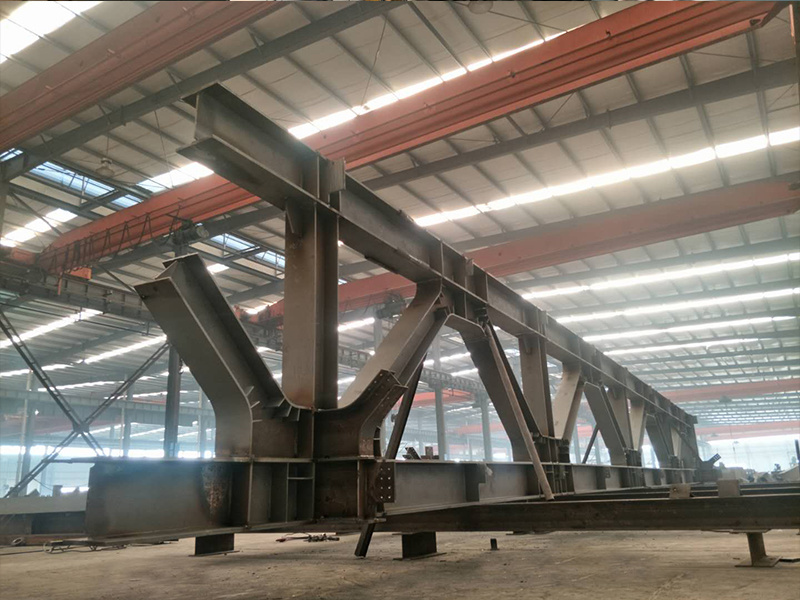
The installation of steel buildings typically begins with site preparation. This phase involves clearing the land, ensuring proper drainage, and establishing a level foundation to support the weight of the structure. A well-prepared site is essential for preventing future issues related to stability and structural integrity.
Once the site is ready, the next step is the assembly of the steel framework. Steel members, including beams, columns, and trusses, are carefully transported to the site and positioned according to the engineered design specifications. Proper handling and installation of these components are crucial to maintaining the alignment and integrity of the overall structure.
During the installation, attention to detail is paramount. Professionals must ensure that each piece of steel is secured accurately with bolts, welds, or other fastening methods as specified in the construction plans. This ensures that the structure can withstand various loads and environmental stresses. Rigging and crane operations are often involved in this phase, requiring skilled operators to maneuver heavy components safely.
As the installation progresses, it is essential to have a systematic approach to quality control. Regular inspections at each stage of the installation help identify potential issues early. This proactive measure ensures adherence to safety standards and compliance with building codes, ultimately safeguarding the project's integrity.
In addition to structural benefits, steel buildings offer several advantages in terms of design flexibility and sustainability. With the ability to span large distances without the need for interior columns, steel structures provide open spaces that can be customized for various applications, from warehouses to commercial spaces. Moreover, steel is a recyclable material, contributing to eco-friendly construction practices.
After the primary steel structure is installed, the next steps typically involve adding insulation, roofing, and exterior cladding. These finishing touches enhance the aesthetic appeal of the building while providing necessary protection against the elements.
In conclusion, the installation of steel buildings is a multifaceted process that requires careful planning, skilled labor, and adherence to safety regulations. As the industry continues to embrace innovative construction methods and sustainable practices, understanding the intricacies of steel building installation will empower professionals to deliver high-quality, durable structures that meet the evolving demands of clients and the environment.
Tag:
Related News


Can't find the service you're looking for? Contact us!
To inquire about our products, please leave your email to us and we will contact you within 24 hours.
Contact Us
Telephone:+86 15522531711
Landline:086 22-86220000
E-mail:18133150209@139.com
Address: Three Communities of Agricultural Corporation of Lutai Economic Development Zone, Tangshan City,China